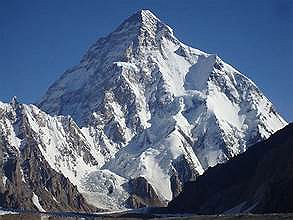



#tavel @travel K2—often called the “Savage Mountain”—is the second-highest peak in the world, rising to 8,611 meters (28,251 feet) above sea level. Located in the remote Karakoram Range along the border of Pakistan and China, K2 stands as one of the most formidable and awe-inspiring natural landmarks on Earth. Unlike its taller counterpart Mount Everest, K2 is notorious not just for its height but for its extreme difficulty, unpredictable weather, and high fatality rate among climbers.
The mountain lies within Gilgit-Baltistan, a region known for its dramatic landscapes, glaciers, and rugged terrain. K2 is part of the Baltoro Glacier area, which attracts mountaineers and trekkers from around the globe. However, reaching the base camp itself is a challenging journey, often requiring days of trekking through harsh and isolated conditions. This remoteness contributes to the mountain’s mystique and the sense of adventure it offers.
K2 earned its nickname “Savage Mountain” due to the extreme challenges it presents. Steep slopes, narrow ridges, and frequent avalanches make climbing K2 significantly more dangerous than many other peaks. The weather is notoriously unpredictable, with sudden storms and high winds posing constant threats. Even experienced climbers face immense physical and psychological challenges on this mountain. Historically, the fatality rate for those attempting to summit K2 has been much higher than that of Everest, reinforcing its fearsome reputation.
Despite its dangers, K2 has drawn some of the world’s most skilled mountaineers. The first successful ascent was made in 1954 by an Italian expedition led by Ardito Desio, with climbers Achille Compagnoni and Lino Lacedelli reaching the summit. Since then, climbers from many nations have attempted to conquer K2, each facing its unforgiving conditions.
Beyond mountaineering, K2 holds cultural and national significance for Pakistan. It symbolizes natural beauty, resilience, and the spirit of exploration. The mountain also plays a role in promoting tourism in the region, although access remains limited due to its remote location and the need for environmental preservation.
In recent years, advancements in technology and better understanding of high-altitude climbing have made expeditions somewhat safer, but K2 remains one of the ultimate tests of human endurance. It continues to inspire awe and respect, reminding us of nature’s power and the limits of human capability.
In conclusion, K2 is more than just a mountain—it is a symbol of challenge, mystery, and natural grandeur. Towering above the Karakoram Range, it stands as a testament to both the beauty and brutality of the natural world, drawing adventurers who dare to test themselves against one of Earth’s greatest peaks.
The mountain lies within Gilgit-Baltistan, a region known for its dramatic landscapes, glaciers, and rugged terrain. K2 is part of the Baltoro Glacier area, which attracts mountaineers and trekkers from around the globe. However, reaching the base camp itself is a challenging journey, often requiring days of trekking through harsh and isolated conditions. This remoteness contributes to the mountain’s mystique and the sense of adventure it offers.
K2 earned its nickname “Savage Mountain” due to the extreme challenges it presents. Steep slopes, narrow ridges, and frequent avalanches make climbing K2 significantly more dangerous than many other peaks. The weather is notoriously unpredictable, with sudden storms and high winds posing constant threats. Even experienced climbers face immense physical and psychological challenges on this mountain. Historically, the fatality rate for those attempting to summit K2 has been much higher than that of Everest, reinforcing its fearsome reputation.
Despite its dangers, K2 has drawn some of the world’s most skilled mountaineers. The first successful ascent was made in 1954 by an Italian expedition led by Ardito Desio, with climbers Achille Compagnoni and Lino Lacedelli reaching the summit. Since then, climbers from many nations have attempted to conquer K2, each facing its unforgiving conditions.
Beyond mountaineering, K2 holds cultural and national significance for Pakistan. It symbolizes natural beauty, resilience, and the spirit of exploration. The mountain also plays a role in promoting tourism in the region, although access remains limited due to its remote location and the need for environmental preservation.
In recent years, advancements in technology and better understanding of high-altitude climbing have made expeditions somewhat safer, but K2 remains one of the ultimate tests of human endurance. It continues to inspire awe and respect, reminding us of nature’s power and the limits of human capability.
In conclusion, K2 is more than just a mountain—it is a symbol of challenge, mystery, and natural grandeur. Towering above the Karakoram Range, it stands as a testament to both the beauty and brutality of the natural world, drawing adventurers who dare to test themselves against one of Earth’s greatest peaks.